Super Dad: A Craft Fair-Ready Embroidery Design
First Impression: Friendly, Confident, and Instantly Relatable
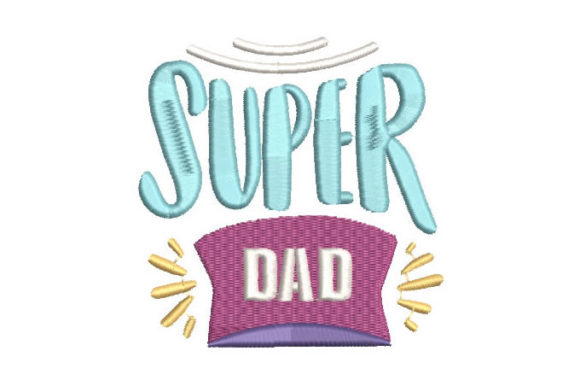
“Super Dad” lands with warm, approachable energy—not flashy or ironic, but sincere and uplifting. It reads as modern-farmhouse meets heartfelt celebration: clean enough for a boutique apron, playful enough for a kid’s tote bag, and meaningful enough to anchor a Father’s Day gift bundle. There’s no forced humor or over-the-top graphics—just quiet confidence in the title itself. That simplicity is its biggest strength at a craft fair, where shoppers scan dozens of booths in seconds. “Super Dad” doesn’t shout—it invites a smile, a nod, and a pause.
Where Super Dad Shines on Handmade Products
This machine embroidery design thrives where personality meets practicality. On a heavyweight cotton tote bag, it anchors the front panel beautifully—large enough to read from three feet away, yet balanced enough not to overwhelm the fabric. As apron embroidery, it works best centered just above the pocket: legible, grounded, and instantly communicating warmth and pride. For tea towel embroidery, place it in the lower corner or along the hem—its clean lettering holds up against kitchen textures without competing with patterns.
As an embroidered patch, Super Dad gains versatility: sewn onto denim jackets, backpacks, or even baby blankets, it becomes a reusable token of appreciation. On structured caps, it performs well *if* digitized with gentle curve compensation—avoid placing it too high on the crown, where distortion risks muddying the letterforms. Small fabric pouches and pillow covers? Ideal. The phrase scales gracefully down to 3.5 inches wide without losing legibility, making it a smart choice for coordinated gift sets.
What Makes Super Dad a Strong Craft Fair & Etsy Seller Asset
It’s glanceable. At a busy market, buyers don’t stop to decode clever wordplay—they connect with clarity and emotional resonance. “Super Dad” delivers both. It photographs exceptionally well for Etsy listings and printable mockups: crisp outlines, generous spacing between letters, and no fine serifs or thin strokes that vanish in natural light or phone-camera shots. That translates directly to higher click-through rates and fewer “Is this legible?” questions in your DMs.
For batch production, Super Dad is highly repeatable. Its moderate stitch density avoids excessive thread build-up on dense fabrics like twill or canvas—critical when embroidering 20+ tote bags in one day. It also adapts across thread colors: navy on oatmeal linen reads premium; red on charcoal cotton feels energetic; cream on indigo denim reads artisanal. That flexibility lets you curate cohesive booth displays—think a trio of matching tea towels, aprons, and market bags—all unified by tone, texture, and this single, strong embroidery file.
Real Booth Impact: Attention, Value, and Engagement
In person, Super Dad elevates perceived handmade quality. Unlike clip-art-style fonts or overly ornate monograms, it feels intentionally designed—not generic. When stitched with quality thread on thoughtfully sourced fabric, it signals care and craftsmanship. Customers linger longer at displays featuring it because it feels personal *and* polished. It also encourages engagement: parents point it out to kids, couples discuss which dad it reminds them of, and gift buyers snap photos for Instagram stories—organic marketing you didn’t plan.
Careful-Use Notes Every Embroidery Designer Should Check
Before cutting into your best fabric, test Super Dad on scrap pieces that match your final product’s weight and texture. Dense stitch areas (especially around the “S” in “Super” and the crossbar of “A”) may require medium-weight cutaway stabilizer on knits or stretchy tees. On textured tea towels, reduce top tension slightly and use a sharp needle to prevent skipped stitches.
Avoid shrinking it below 2.75 inches wide—tiny lettering loses impact and risks thread breakage on small hoops. On dark fabric, confirm your thread colors provide sufficient contrast; pale yellow or light gray may disappear. And never assume it’s optimized for curved cap surfaces—review the digitizing for smooth vector flow before hooping.
Production Must-Dos Before Your Next Craft Fair
- Test the embroidery file on at least two fabric types you’ll sell—e.g., canvas tote + linen apron—and compare results side-by-side.
- Check thread contrast under both daylight and indoor booth lighting—what looks bold in your studio may fade under tent lights.
- Review spacing between letters and overall width against your standard hoop size—no last-minute resizing mid-fair.
- Inspect stitch density: if the design feels heavy or stiff on lightweight cotton, adjust underlay or reduce fill density in your embroidery software.
- Use the right stabilizer—cutaway for stability on woven goods, tear-away for lighter linens, and fusible + cutaway for stretchy blends.
- Create at least one real-world mockup (not just digital): photograph your finished tote bag or apron in natural light, styled simply—this becomes your best Etsy listing image and social proof.
- Compare how Super Dad reads across three fabric colors—light, medium, and dark—to guide your inventory mix.
- Confirm commercial licensing terms before selling finished products—many digital embroidery files allow small shop use, but verify limits on units sold or marketplace restrictions.
Final Thought: Super Dad Is More Than a Phrase—It’s a Selling Strategy
When you choose Super Dad for your craft fair lineup, you’re choosing emotional resonance over novelty, clarity over clutter, and versatility over trend-chasing. It fits seamlessly into Father’s Day collections without feeling seasonal or dated. It supports your brand voice whether you lean rustic, modern, or minimalist. And most importantly—it converts. Not because it’s loud, but because it’s true. Dads *are* super. And customers want to say it—beautifully, boldly, and by hand.